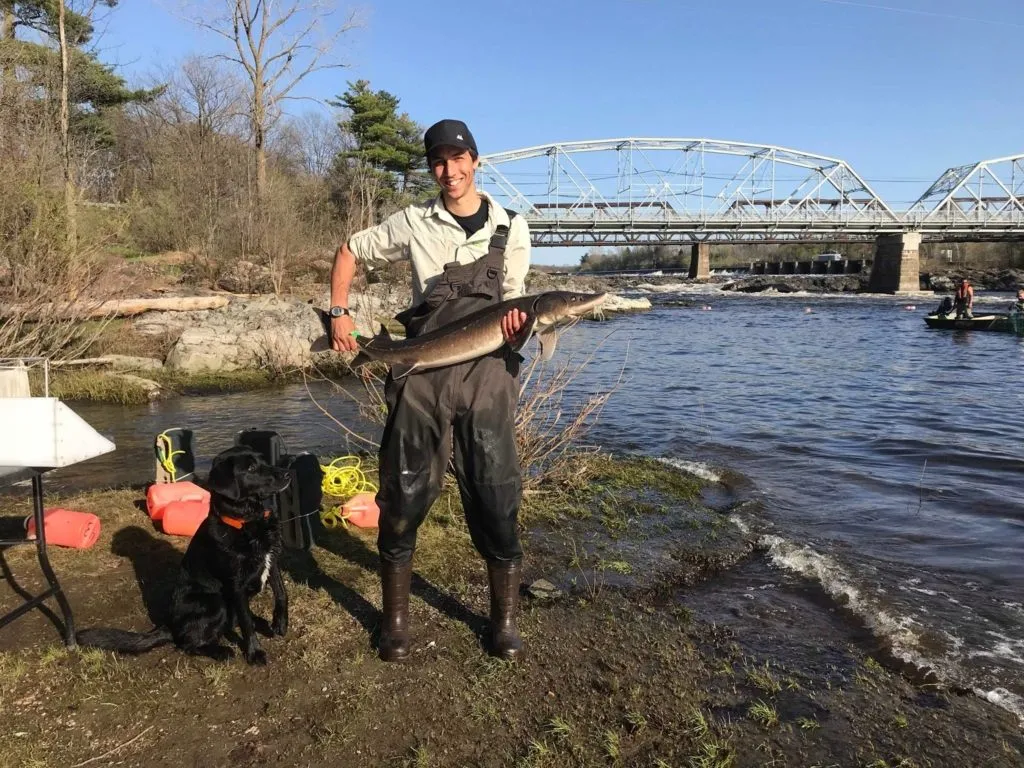
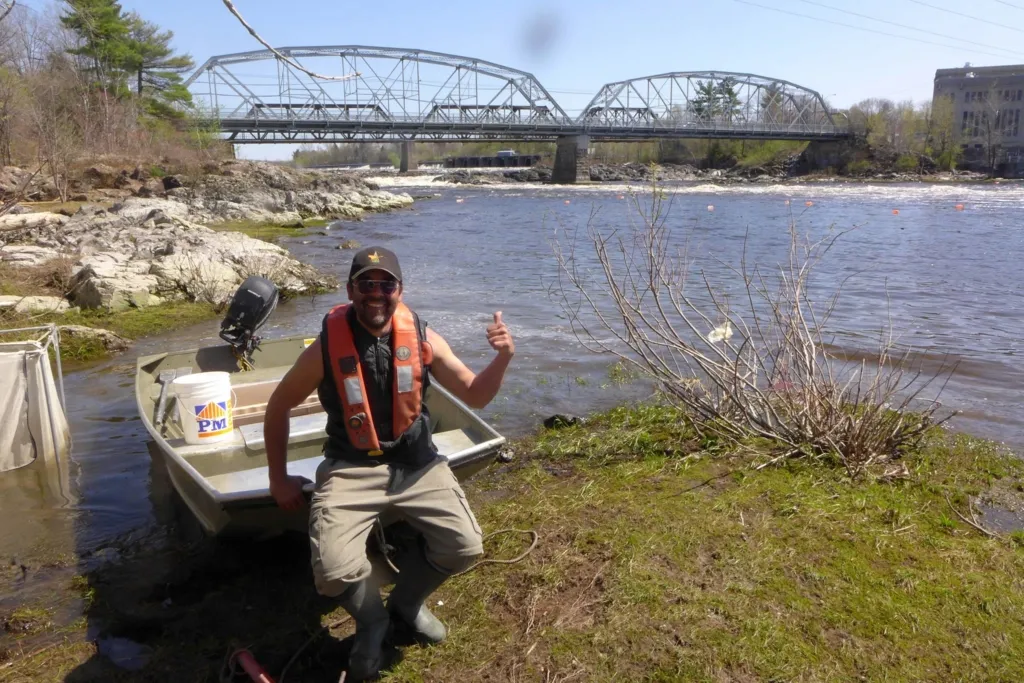
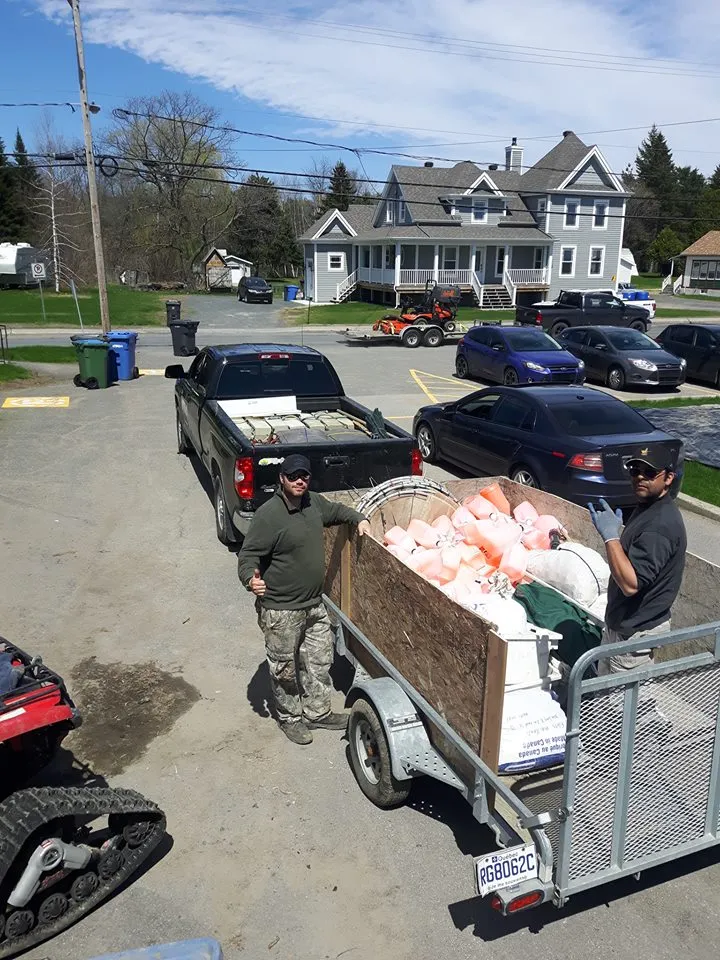
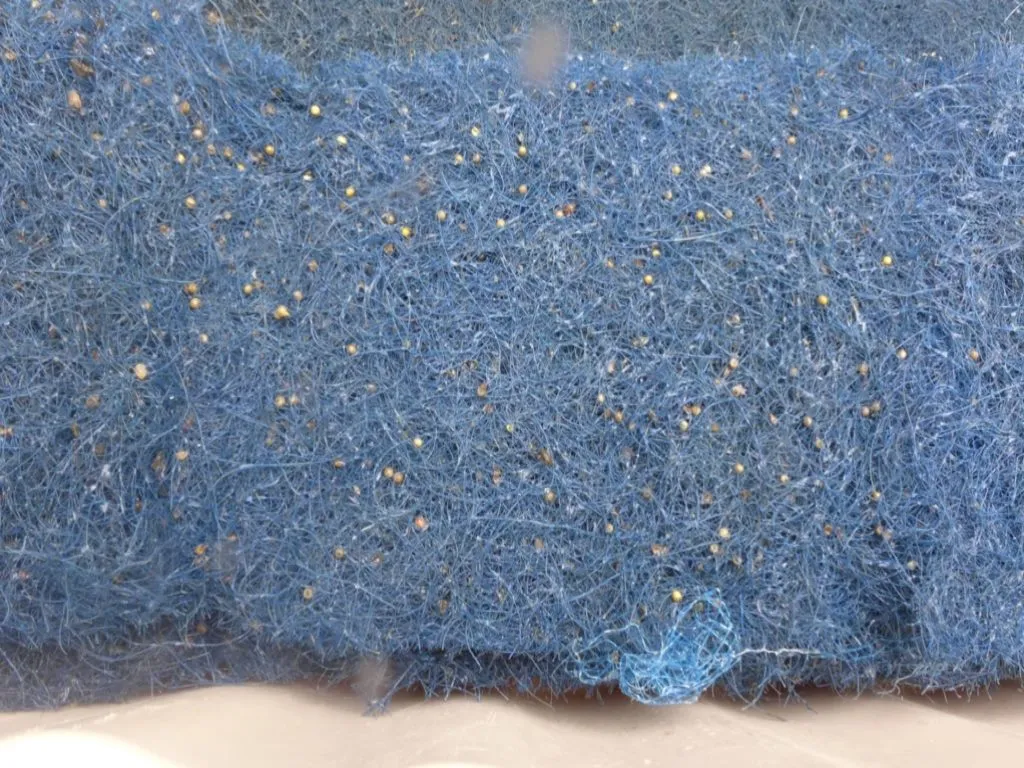
Since 2012, the Odanak Land and Environment Office has been monitoring lake sturgeon reproduction in the Saint-François River. The project began with a search for breeding adults and egg deposition sites in the downstream portion of the river (between Odanak and Drummondville). This enabled us to determine that lake sturgeon spawning in this river takes place mainly in the tailbay of the Drummondville hydroelectric complex. Since 2014, the aim of the project has therefore been to better document its spawning ecology at this location by meeting the following specific objectives: 1) monitor egg deposition sites, 2) estimate the number of spawners, 3) estimate the number of drifting larvae, and ultimately 4) assess reproductive success (number of eggs/number of larvae). Based on these observations, it is then possible to suggest modifications to hydrological management measures should they compromise reproductive success.
The main findings of this study are as follows:
There appear to be around 50 spawning females coming to Drummondville annually;
The final choice of spawning site seems closely linked to the water flow pattern at the Drummondville complex (turbined water vs. spilled water);
The overall management of water flows at hydroelectric power stations seems to influence sturgeon breeding ecology. Elements likely to disrupt spawning are 1) the draining and filling of the Hemmings dam for maintenance purposes and 2) the resulting flow fluctuations;
Spawning success varies around 1%, which is comparable to other Quebec spawning grounds.
Various management measures have since been agreed with key stakeholders to limit the negative impact on fish spawning downstream of hydroelectric structures. The most notable of these are 1) the maintenance of an ecological flow of 20 m3/s in the Drummondville spillway in order to avoid mass mortalities of fish trapped in the troughs (mainly redhorses), and 2) the maintenance of a total flow of at least 75 m3/s between April 1 and June 15 in order to maintain an adequate level on all known spawning sites.
This project was completed in June 2018. You will find below the related documentation.